


One of the most common questions we hear from Southern Maine homeowners is: "Should I go with a ductless mini-split or a central heat pump system?" It's a great question, and the answer depends on your home's layout, your comfort goals, and your budget. Both options are excellent — but they serve different needs.
At Southern Maine Heat Pumps, we install both types of systems every week. Here's an honest, detailed comparison to help you decide which approach makes the most sense for your home.
What Is a Ductless Mini-Split?
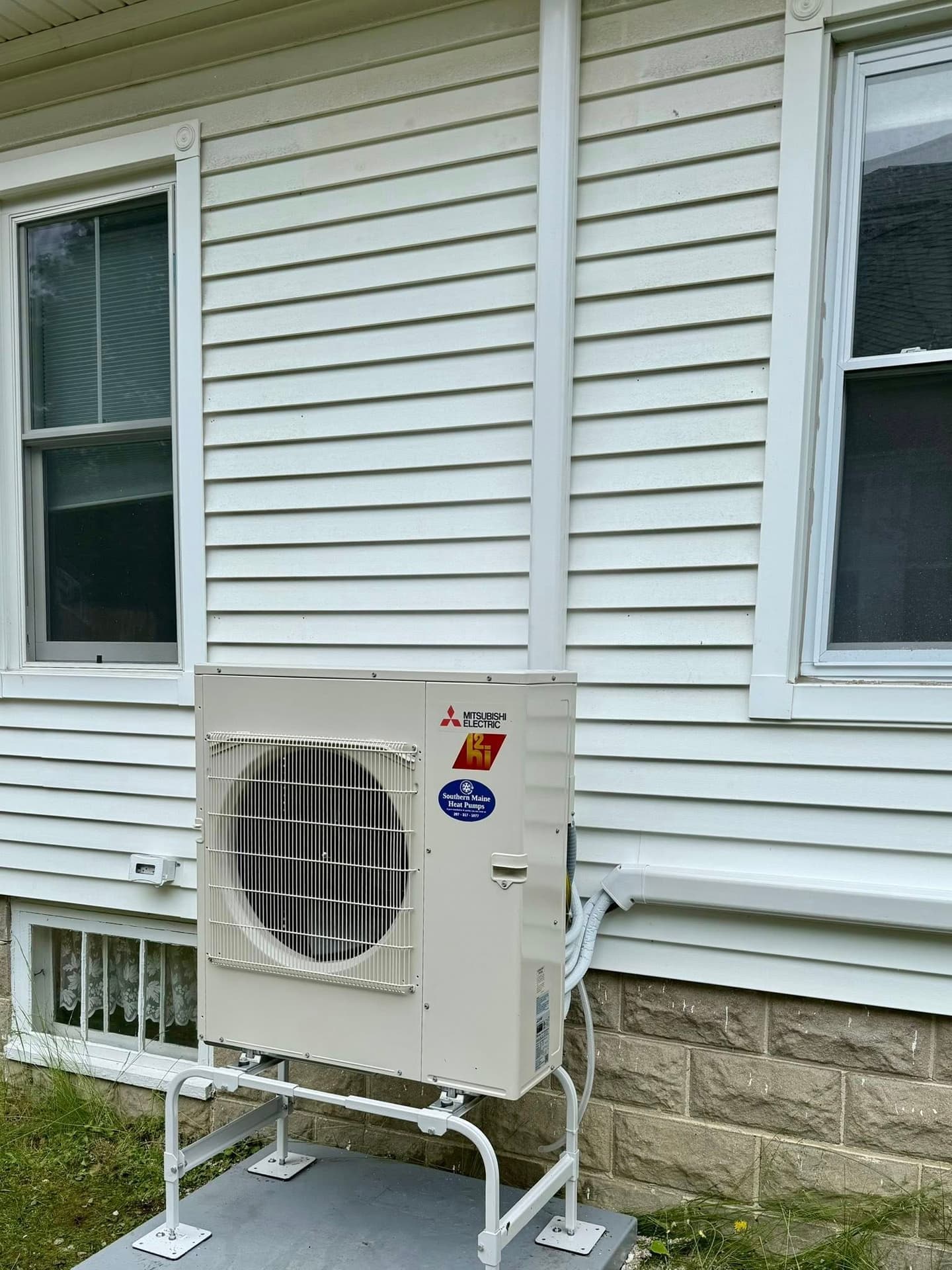
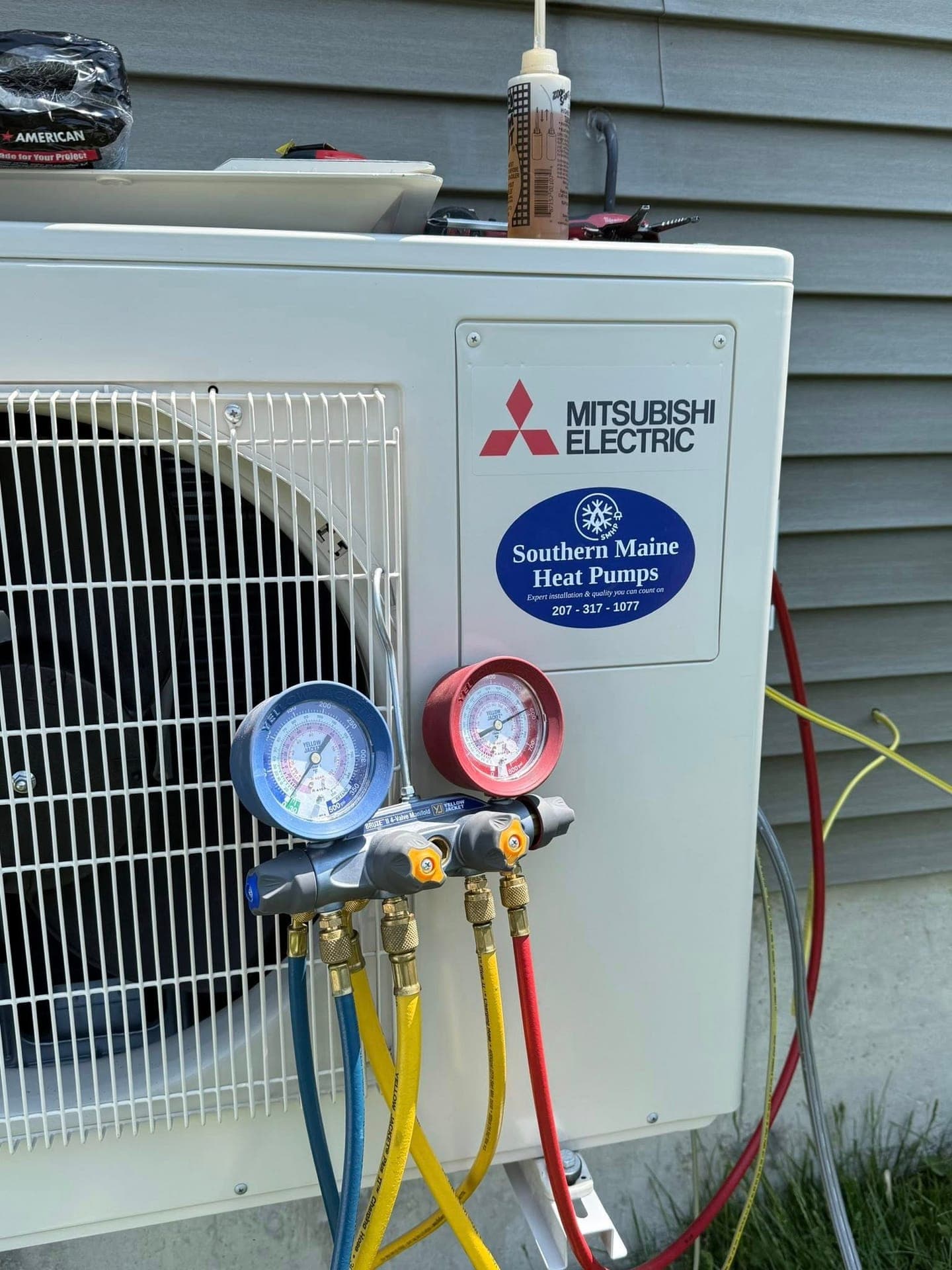
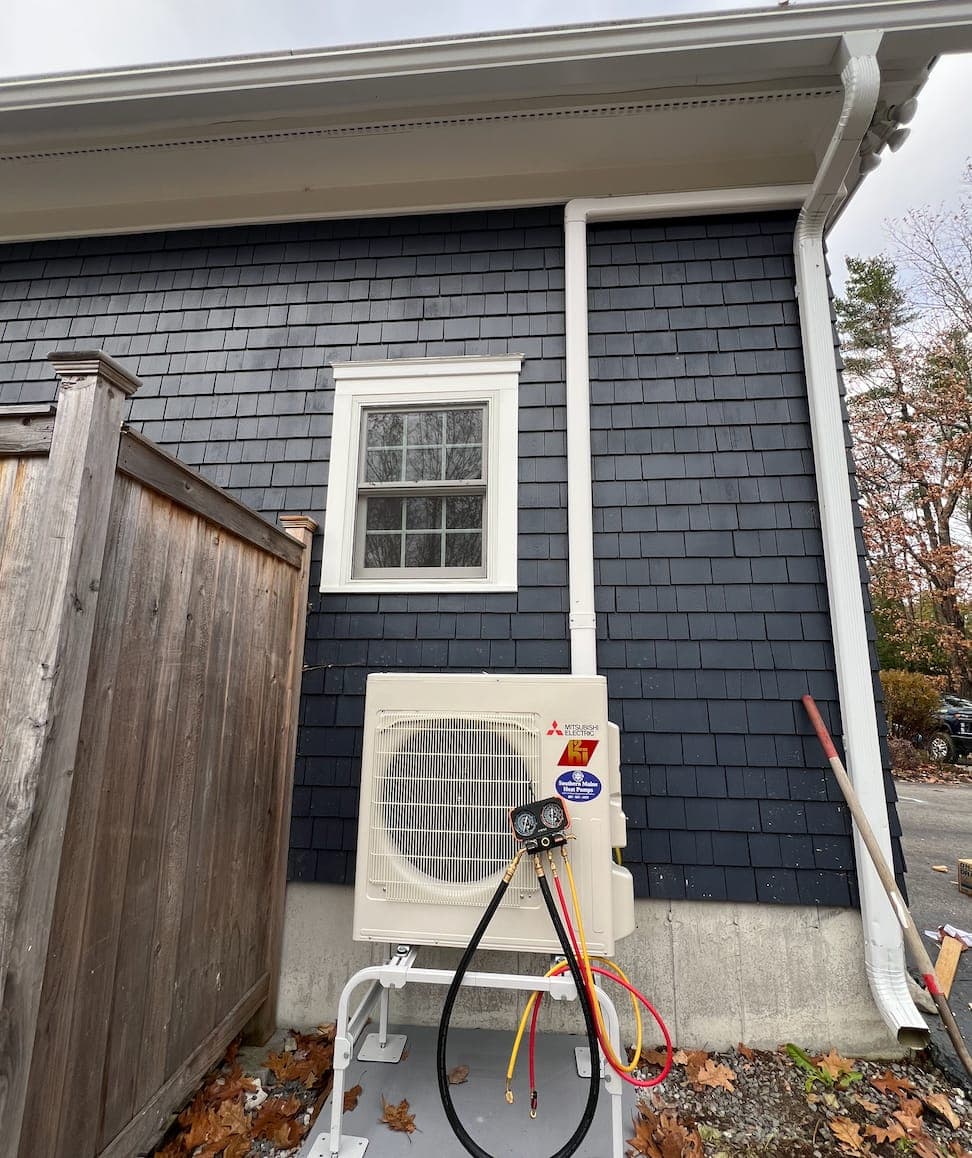
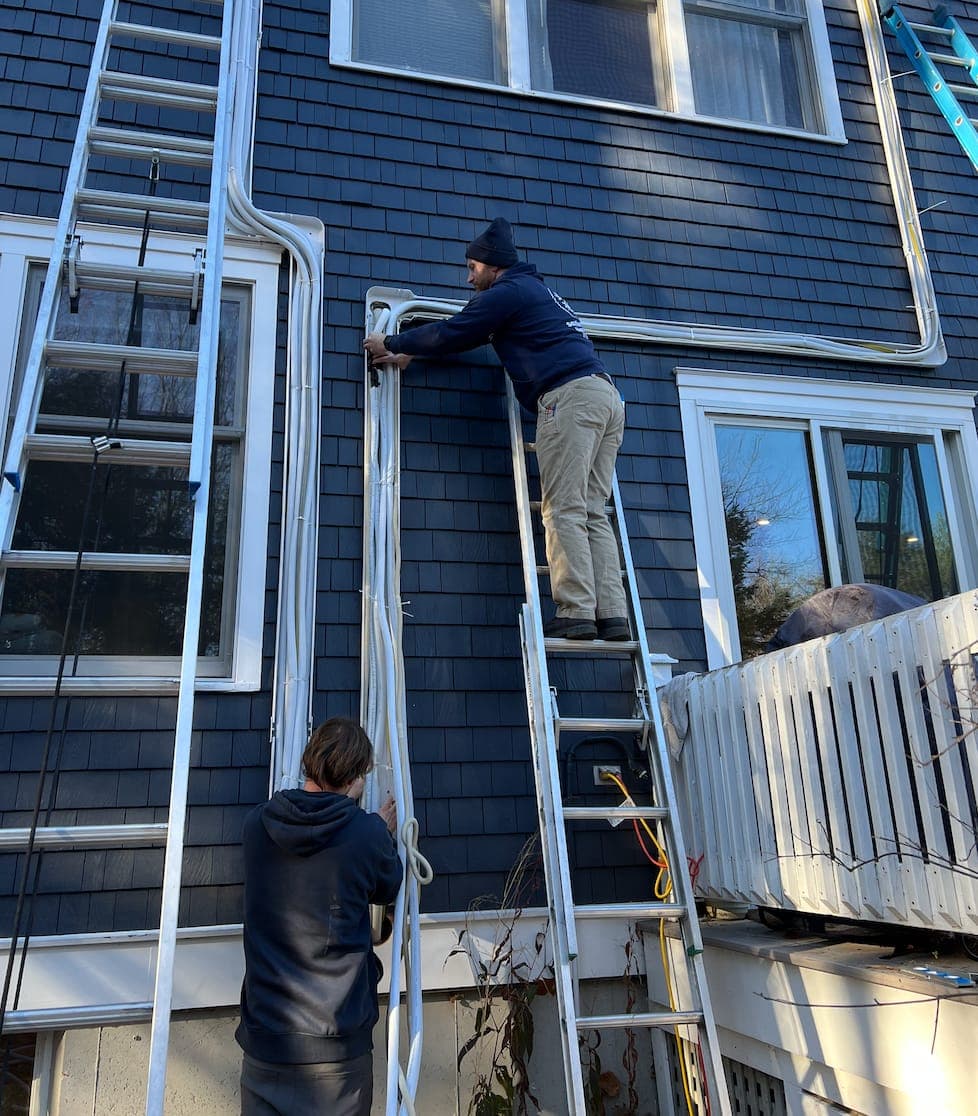
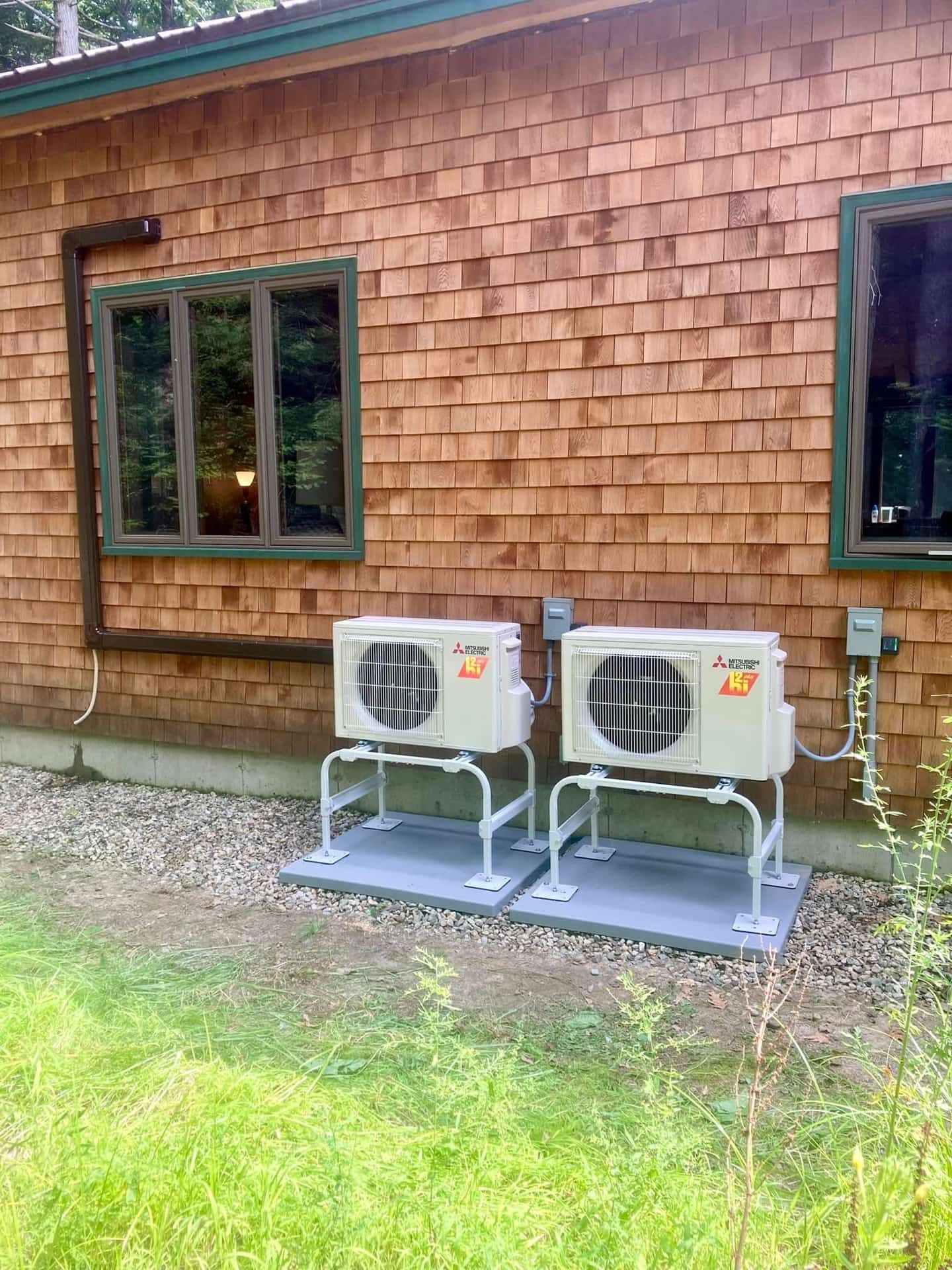
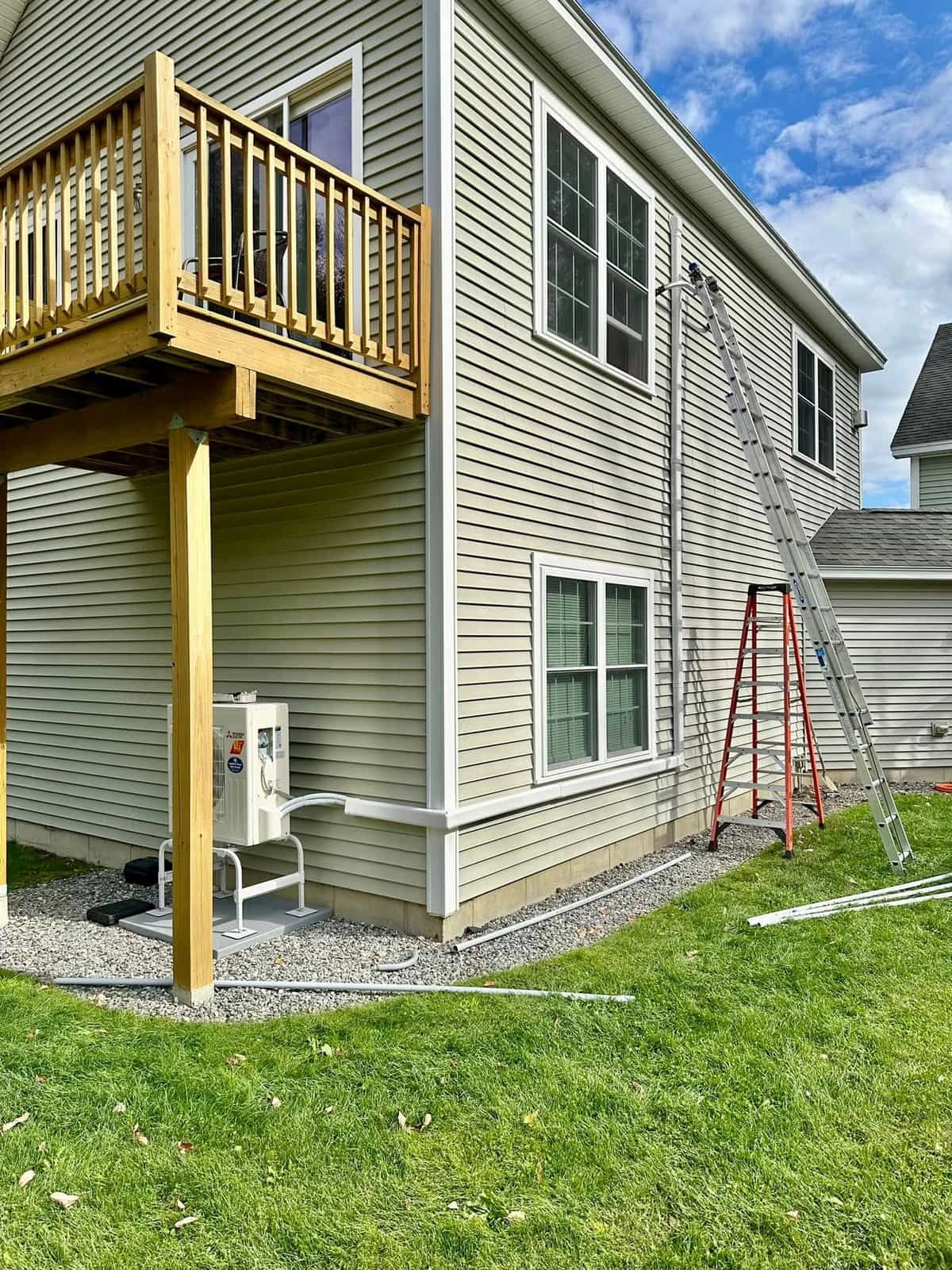
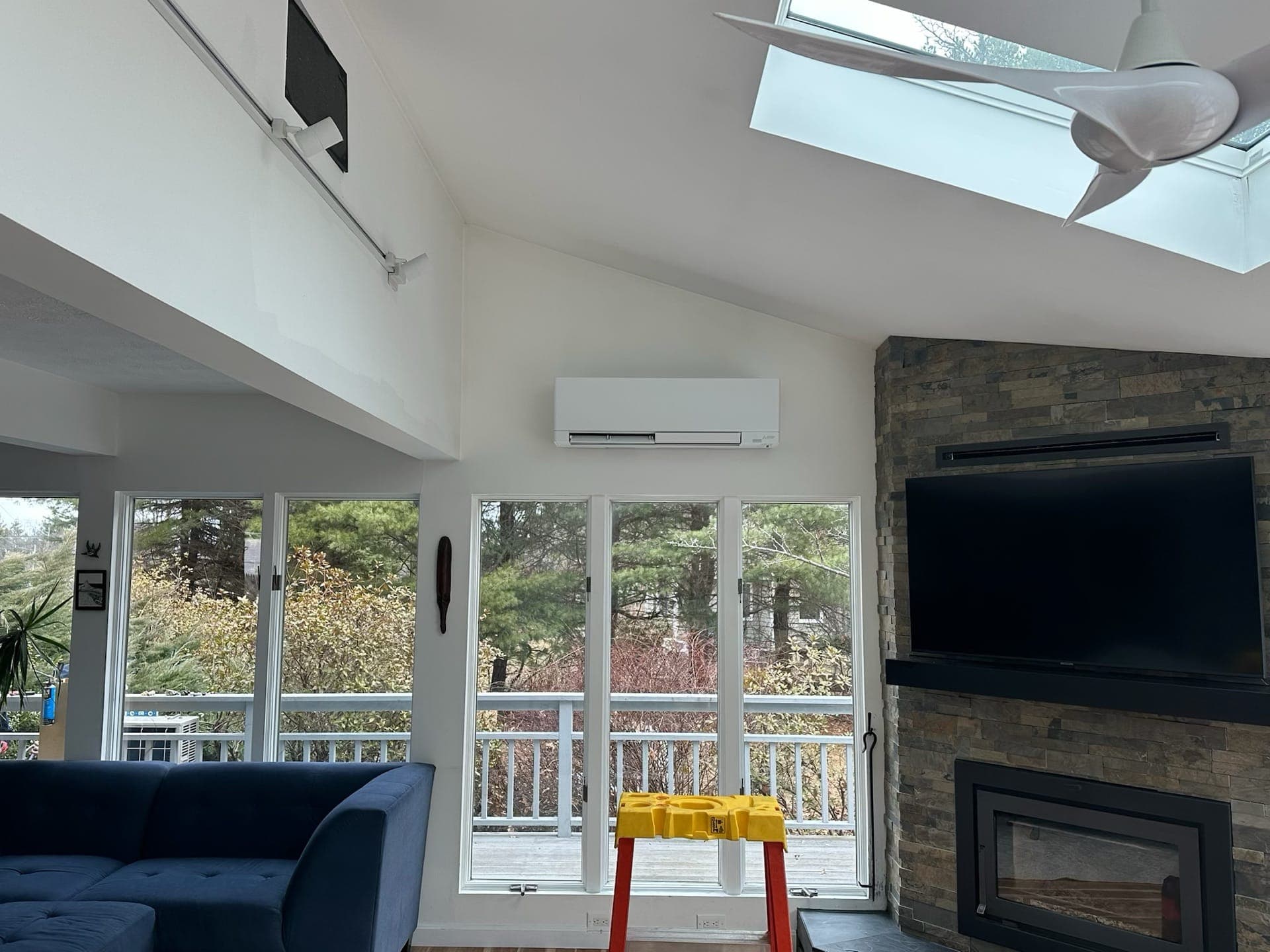
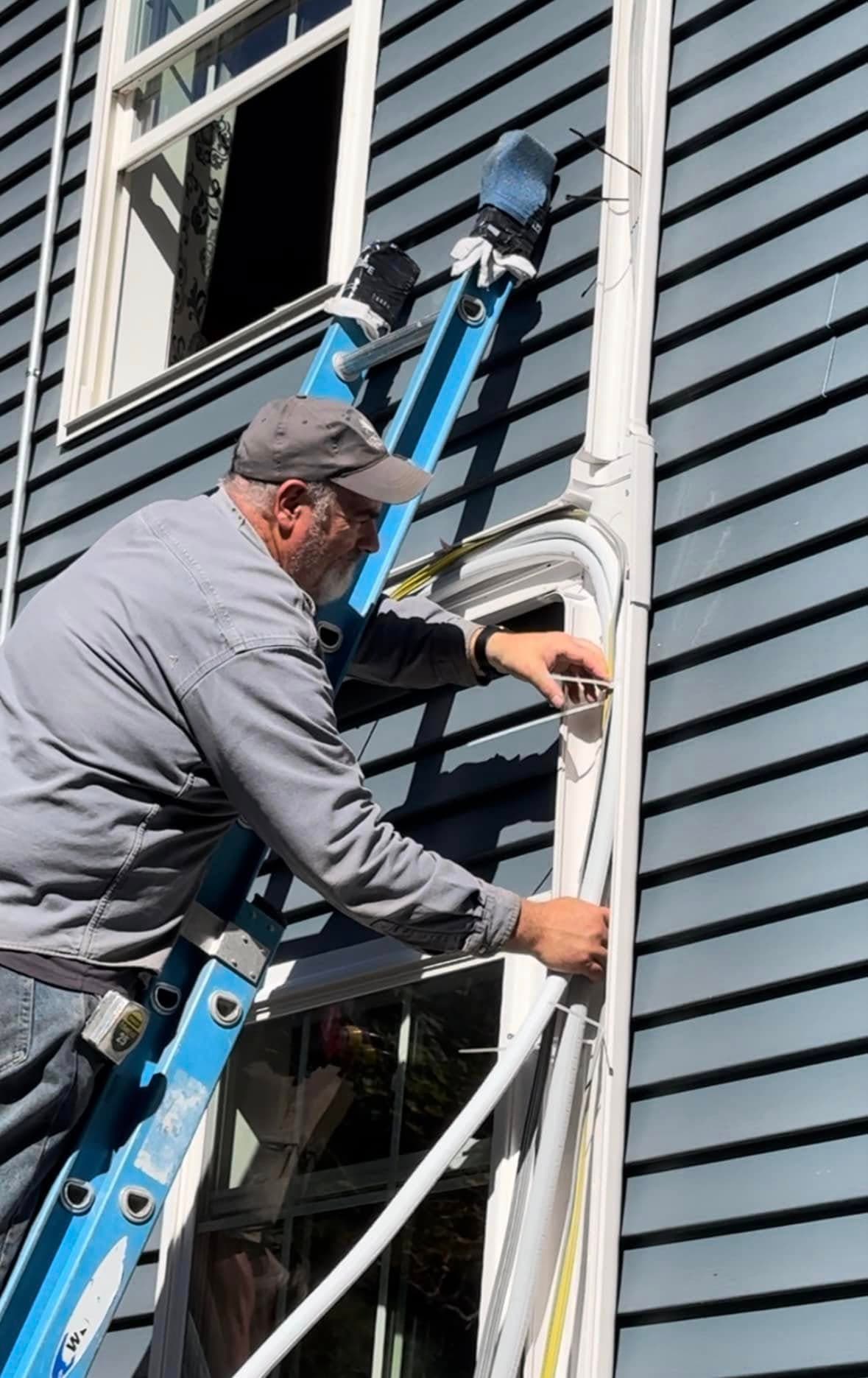
A ductless mini-split heat pump consists of a compact outdoor compressor unit connected to one or more wall-mounted indoor units. Each indoor unit heats and cools the room where it's installed, and no ductwork is required. The indoor and outdoor units connect through a small conduit that passes through your exterior wall — a process that takes just a few hours for a single-zone installation.
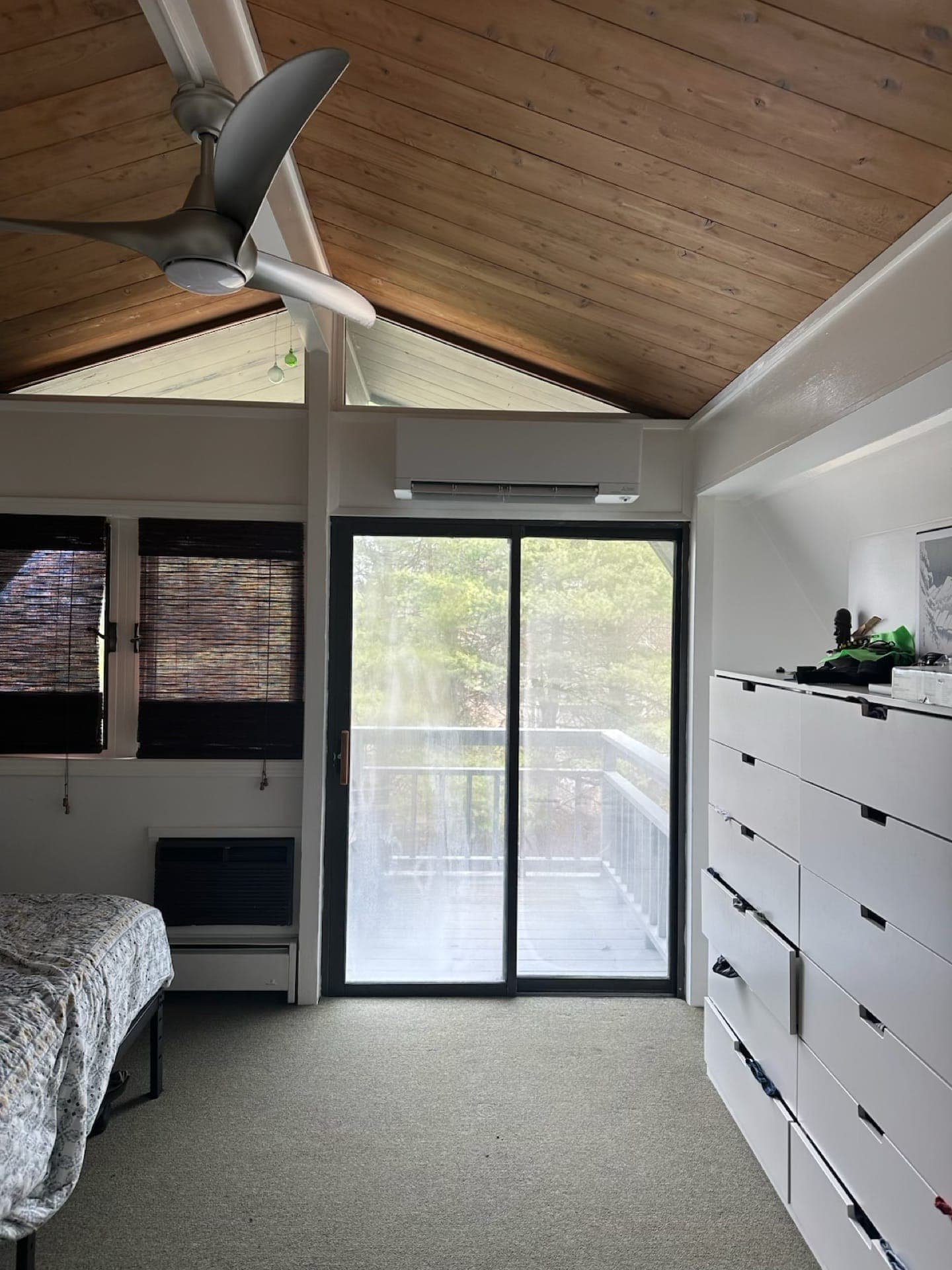
Mini-splits are the most popular heat pump option in Maine because they're versatile, efficient, and minimally invasive to install. They provide both heating and cooling from the same unit, and each one operates with its own remote control or thermostat, giving you precise room-by-room temperature control.
What Is a Central (Ducted) Heat Pump?
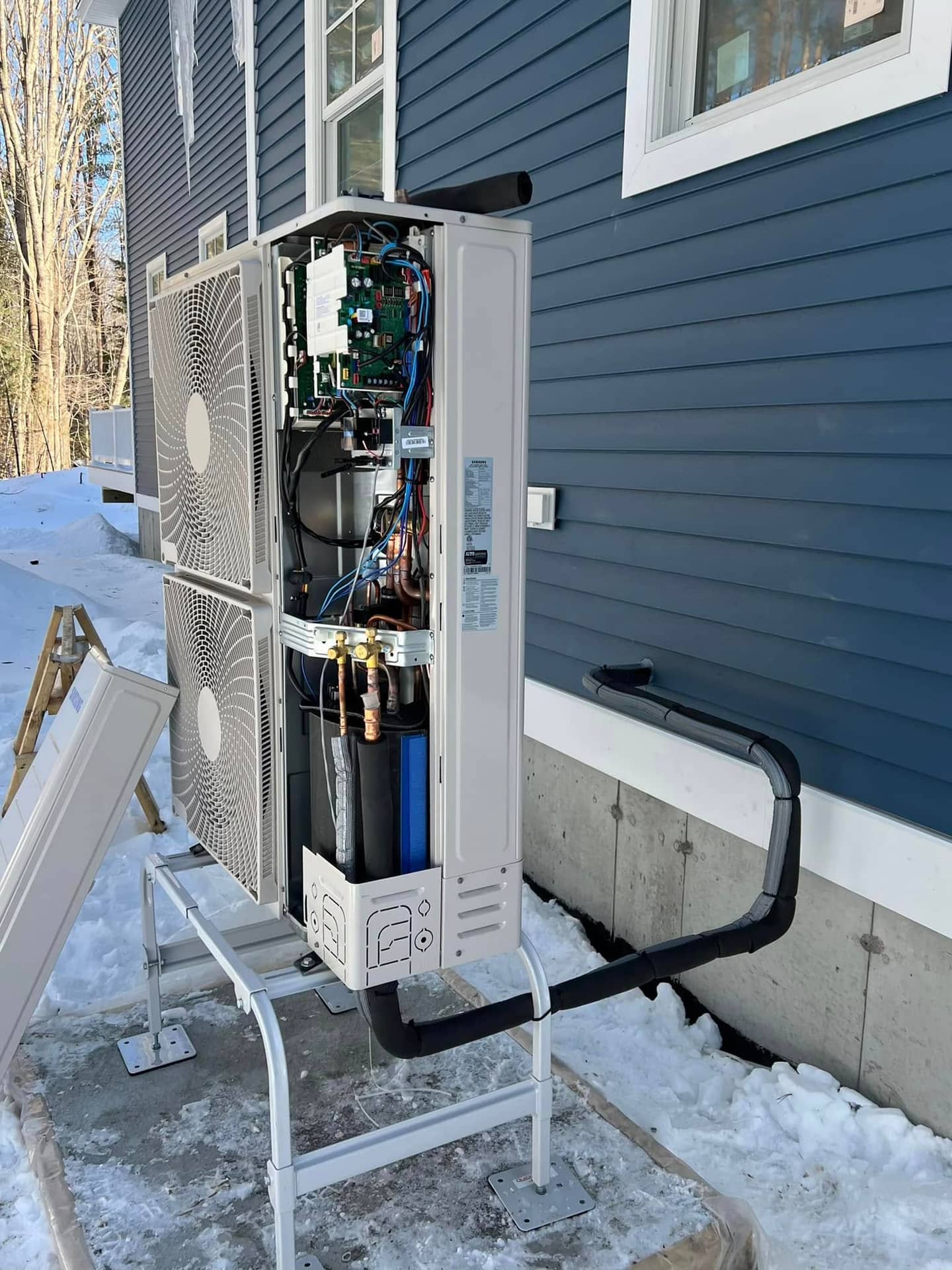
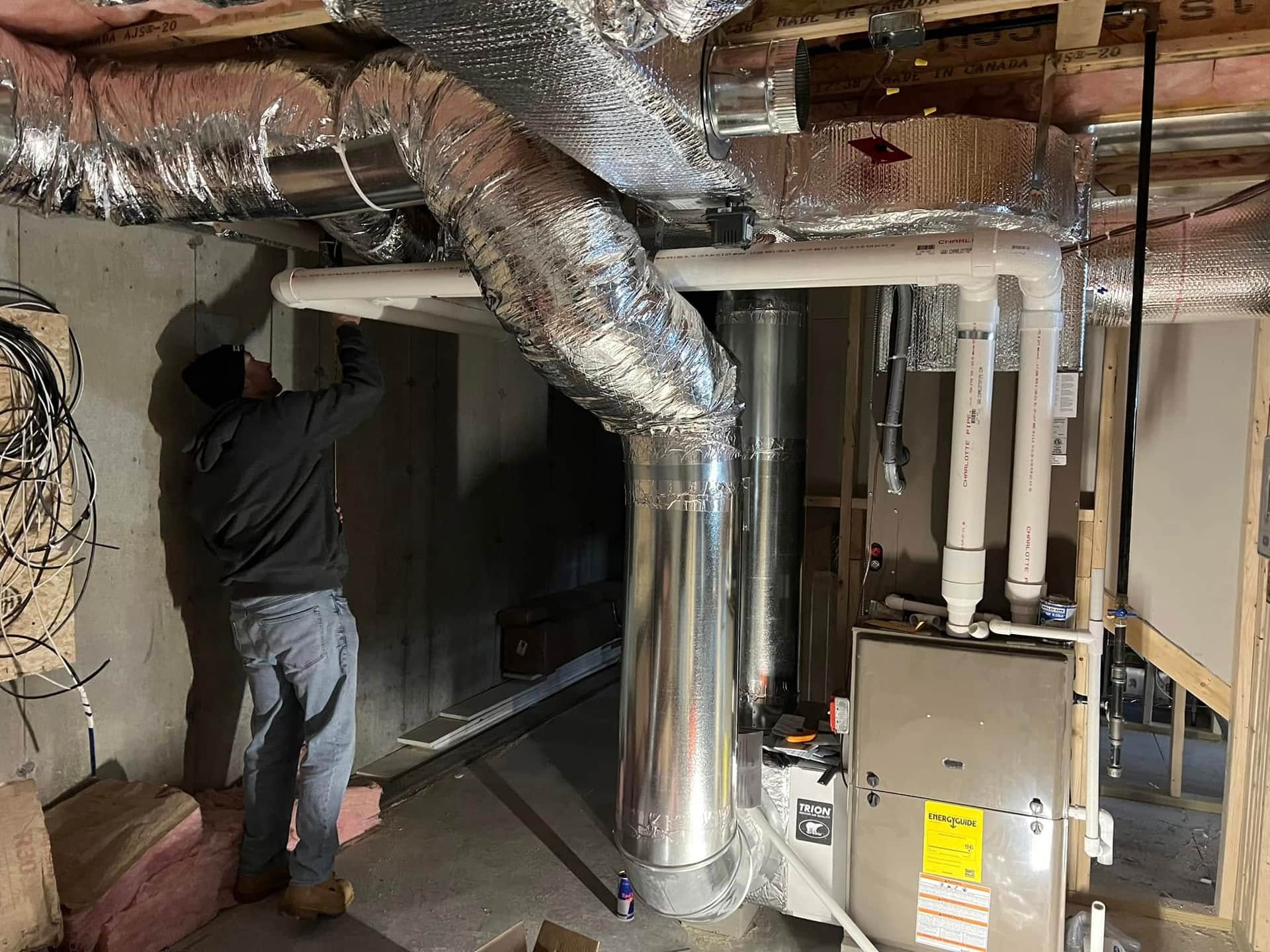
A central heat pump works similarly to a traditional central air or furnace system. A single outdoor unit connects to an indoor air handler, which distributes heated or cooled air through your home's existing ductwork. If your home already has ducts — common in homes built with central forced-air heating — a ducted heat pump can use that infrastructure.
Central heat pumps offer a whole-home solution with a single thermostat and a less visible indoor presence since there are no wall-mounted units in each room. However, they require ductwork in good condition, and they don't offer the same room-by-room zoning flexibility that ductless systems provide.
Pros and Cons: Side by Side
Ductless mini-splits offer several advantages: no ductwork required, individual room temperature control, high efficiency with no duct losses, quick installation (often same-day), and the flexibility to add zones over time. On the downside, each room needs a visible wall-mounted unit, and covering a large home may require multiple indoor heads with corresponding higher equipment costs.
Central ducted heat pumps have their own strengths: a clean look with no wall-mounted units, familiar single-thermostat operation, and the ability to heat and cool the entire home through one system. However, they require existing ductwork (or the cost of installing new ducts), they lose 15-25% of energy through duct leakage, and they lack room-by-room temperature control.
Cost Comparison
For a single-zone ductless mini-split providing heating and cooling to one room, installed costs typically fall in the range of $3,500 to $5,500 before rebates. A four-zone ductless system covering most of a typical home runs $14,000 to $20,000 before rebates.
A central ducted heat pump, assuming you have existing ductwork in good condition, typically costs $8,000 to $15,000 installed before rebates. If new ductwork is needed, that adds $5,000 to $12,000 or more, depending on the complexity of the installation.
Both types qualify for Efficiency Maine rebates and federal tax credits. Our 2026 rebates guide breaks down exactly what you can expect in savings for each system type.
Best Scenarios for Each Type
Ductless mini-splits are ideal when: your home doesn't have ductwork, you want to supplement an existing heating system (oil, propane, or baseboard electric), you want zone-by-zone temperature control, or you're adding comfort to specific problem areas like a finished basement, attic bedroom, or addition.
Central ducted heat pumps are ideal when: your home already has ductwork in good condition, you prefer a single-thermostat whole-home system, you don't want visible wall-mounted units, or you're replacing an existing central air or furnace system.
Multi-Zone: The Middle Ground
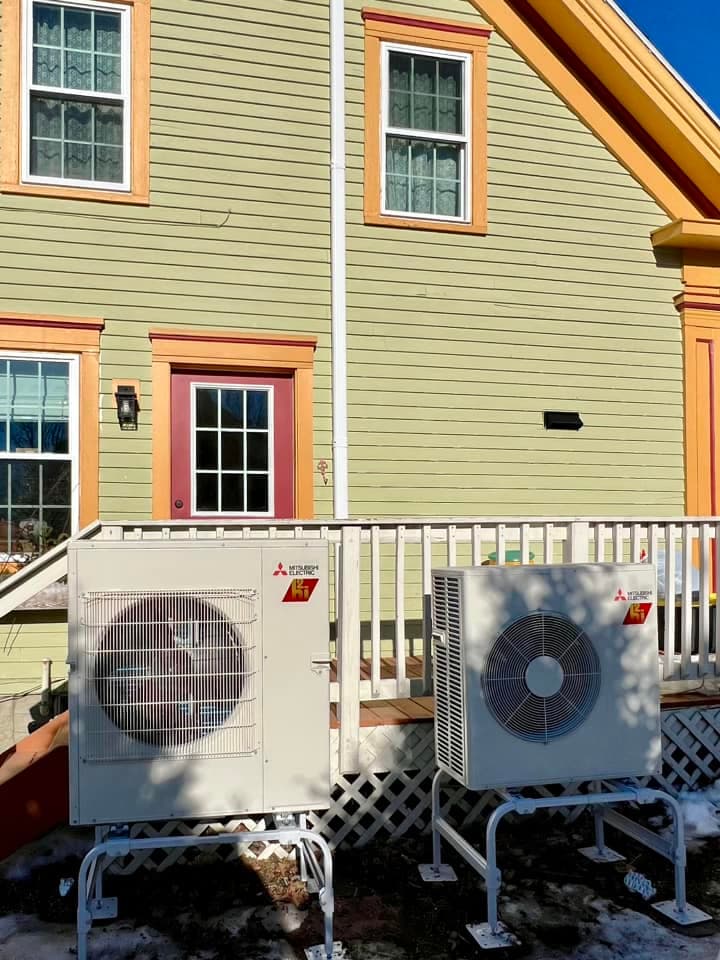
Many homeowners find that a multi-zone heat pump system offers the best of both worlds. A single outdoor unit powers multiple indoor units — each with independent temperature control — providing whole-home coverage without any ductwork. Multi-zone systems are more cost-effective than installing separate single-zone systems and give you the flexibility to heat only the rooms you're using.
For older Maine homes that were never designed for central duct systems, multi-zone ductless is often the smartest path to whole-home comfort.
Aging Systems: When It's Time to Switch
If your current heat pump — whether ducted or ductless — is 10 years or older, you may benefit from a heat pump replacement and upgrade. Today's cold-climate models are dramatically more efficient and perform reliably in temperatures well below zero. Replacing an aging system can cut your heating costs by 30-50% while qualifying for fresh rebate incentives.
Regardless of which type you choose, annual maintenance is essential to keep your system running at peak efficiency for its full lifespan. Regular service prevents small issues from becoming expensive repairs and ensures your warranty stays valid.
How to Decide
The best way to determine which system is right for your home is to have a professional assess your specific situation. We look at your home's layout, insulation, existing infrastructure, your comfort priorities, and your budget to recommend the most effective and cost-efficient approach. For more background on how heat pumps work in our climate, our comprehensive heat pump guide is a great place to start. And if you're wondering whether heat pumps can really handle a Maine winter, our article on signs your system needs attention covers what to watch for once your system is up and running.
Contact Southern Maine Heat Pumps to schedule a free in-home consultation. We'll evaluate your home, explain your options in plain language, and provide a detailed proposal — no pressure, no obligation. Call us at (207) 317-1077 to get started.