

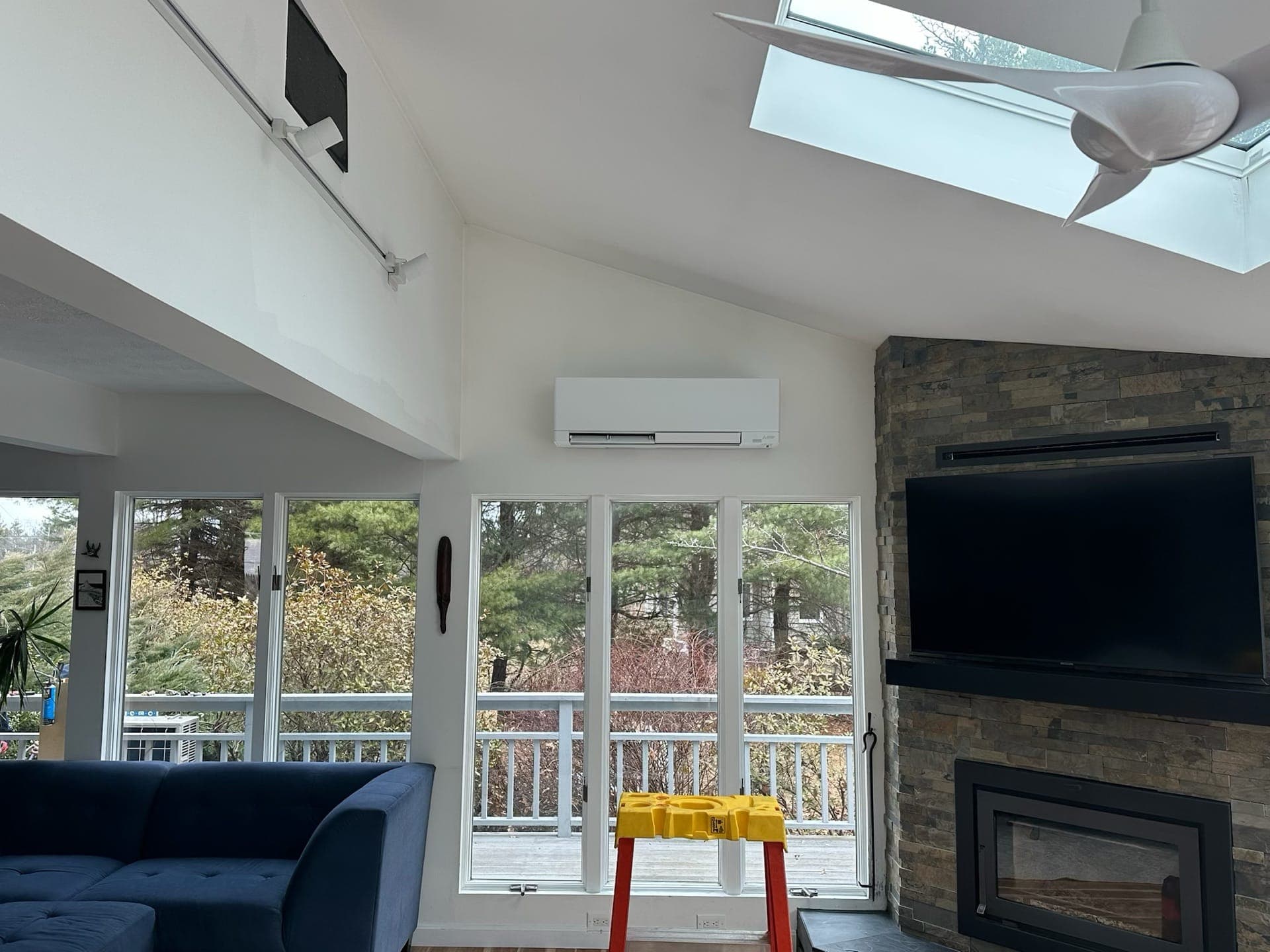
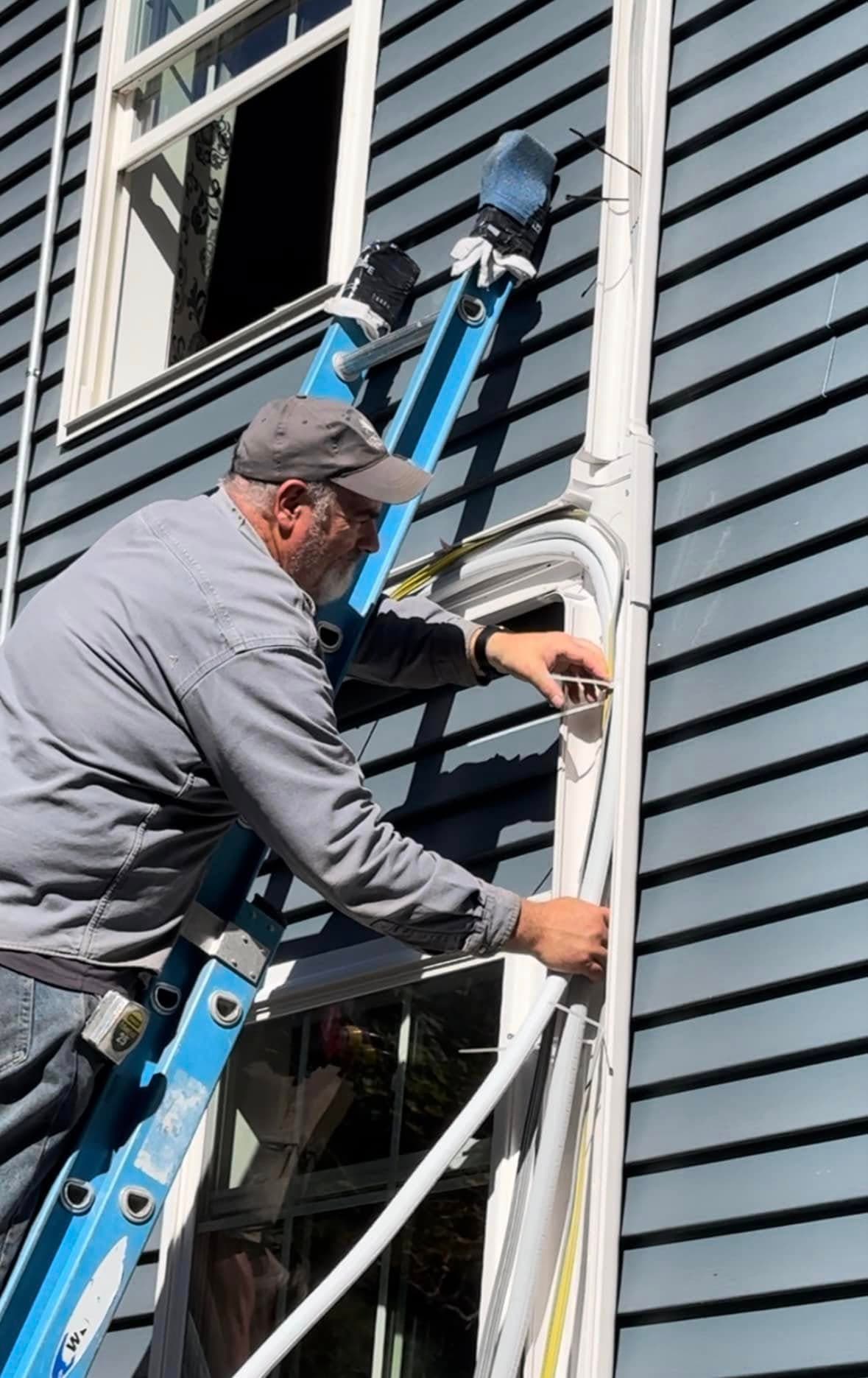

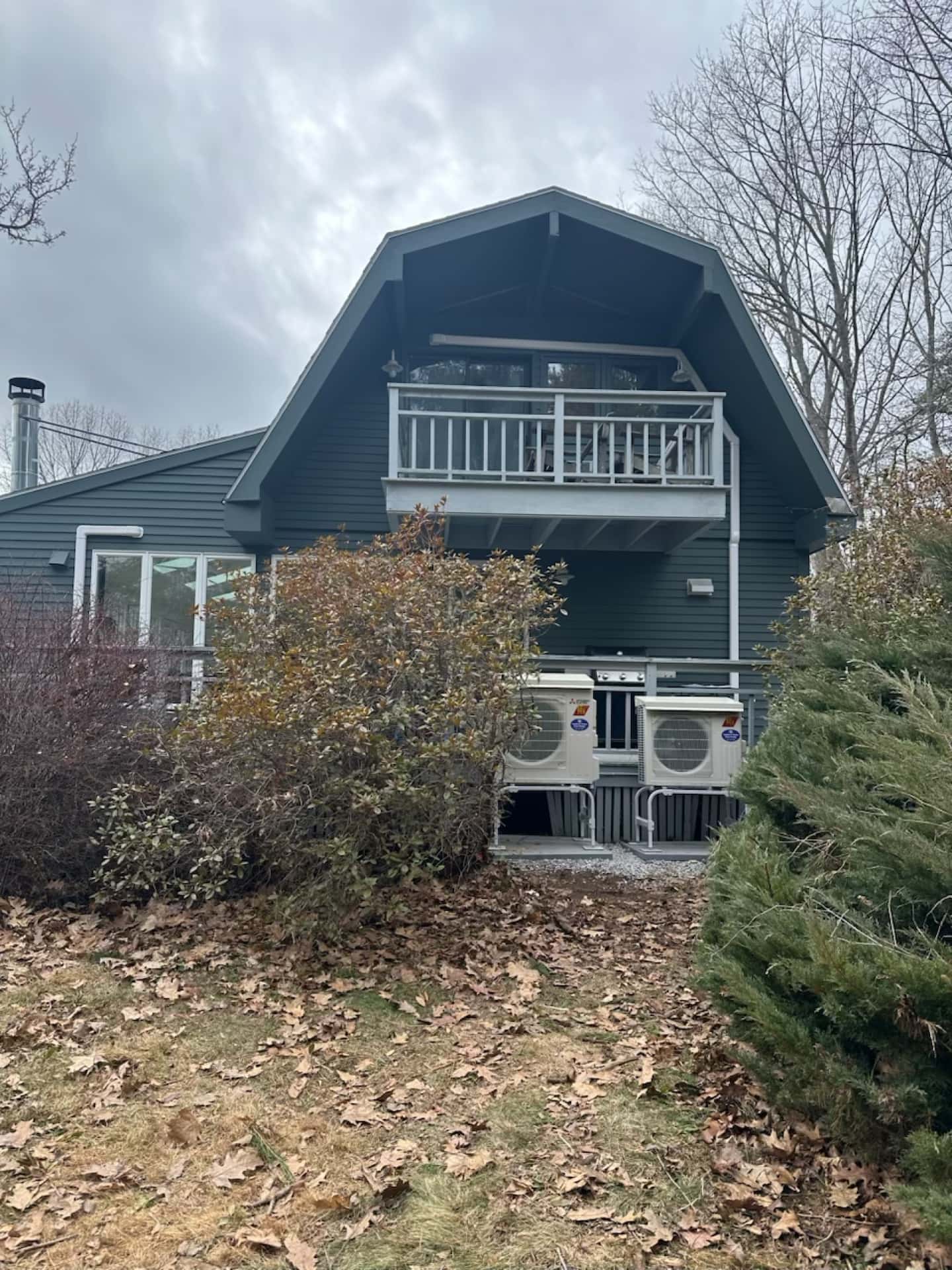
It's the question we hear more than any other: "Can a heat pump really keep my house warm during a Maine winter?" The short answer is yes — and it's not even close to the gamble it used to be. Modern cold-climate heat pumps are engineered specifically for conditions like ours, and thousands of Southern Maine homeowners are already relying on them as their primary heating source.
But myths and outdated information still circulate, so let's separate fact from fiction with real performance data and on-the-ground experience from our team at Southern Maine Heat Pumps.
Myth #1: Heat Pumps Stop Working When It Gets Really Cold
This is the biggest misconception, and it comes from experience with older-generation equipment. Traditional heat pumps from the early 2000s did lose significant capacity below 20°F, making them unreliable as a primary heat source in Maine. But cold-climate heat pump technology has advanced dramatically.
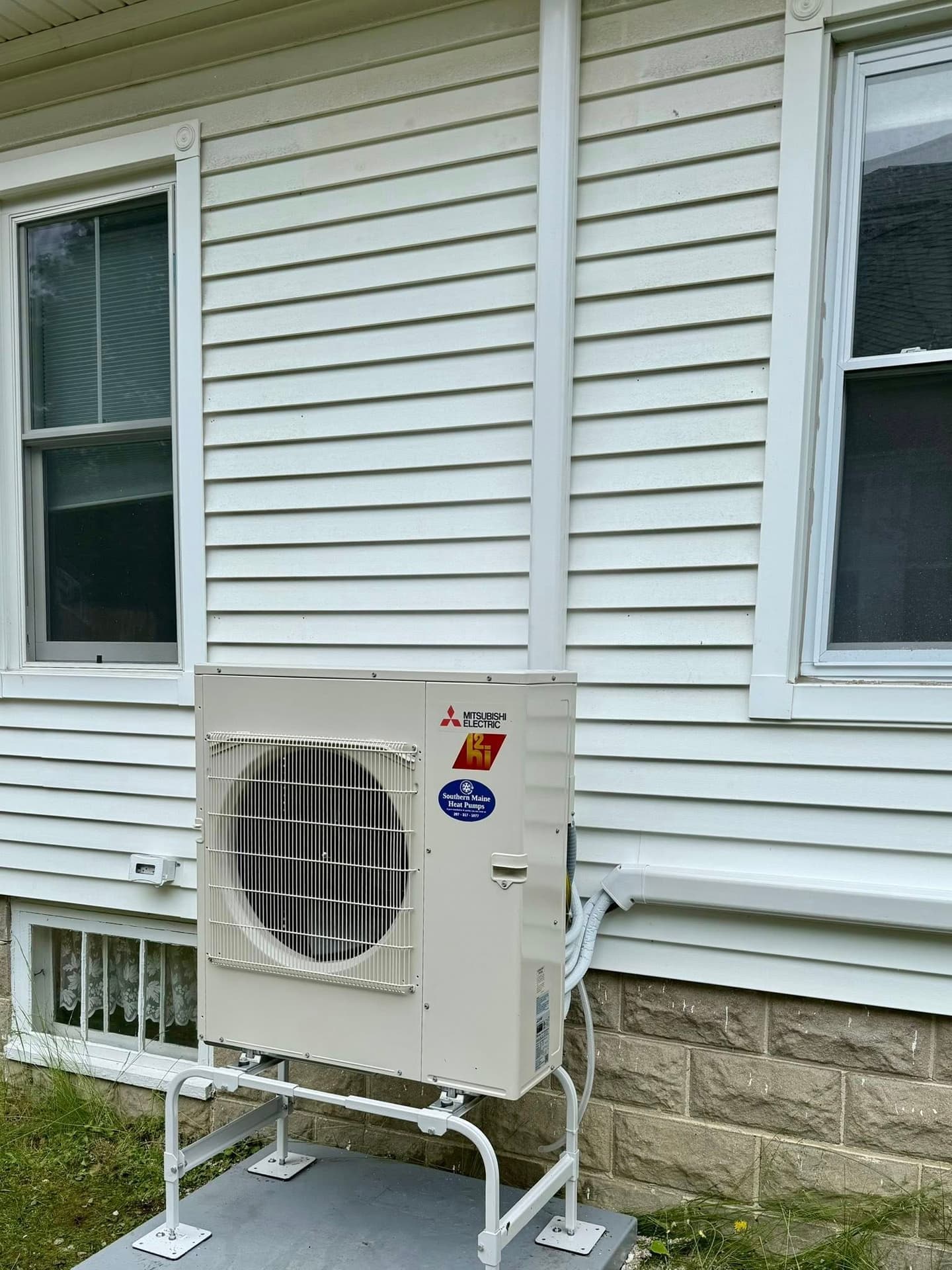
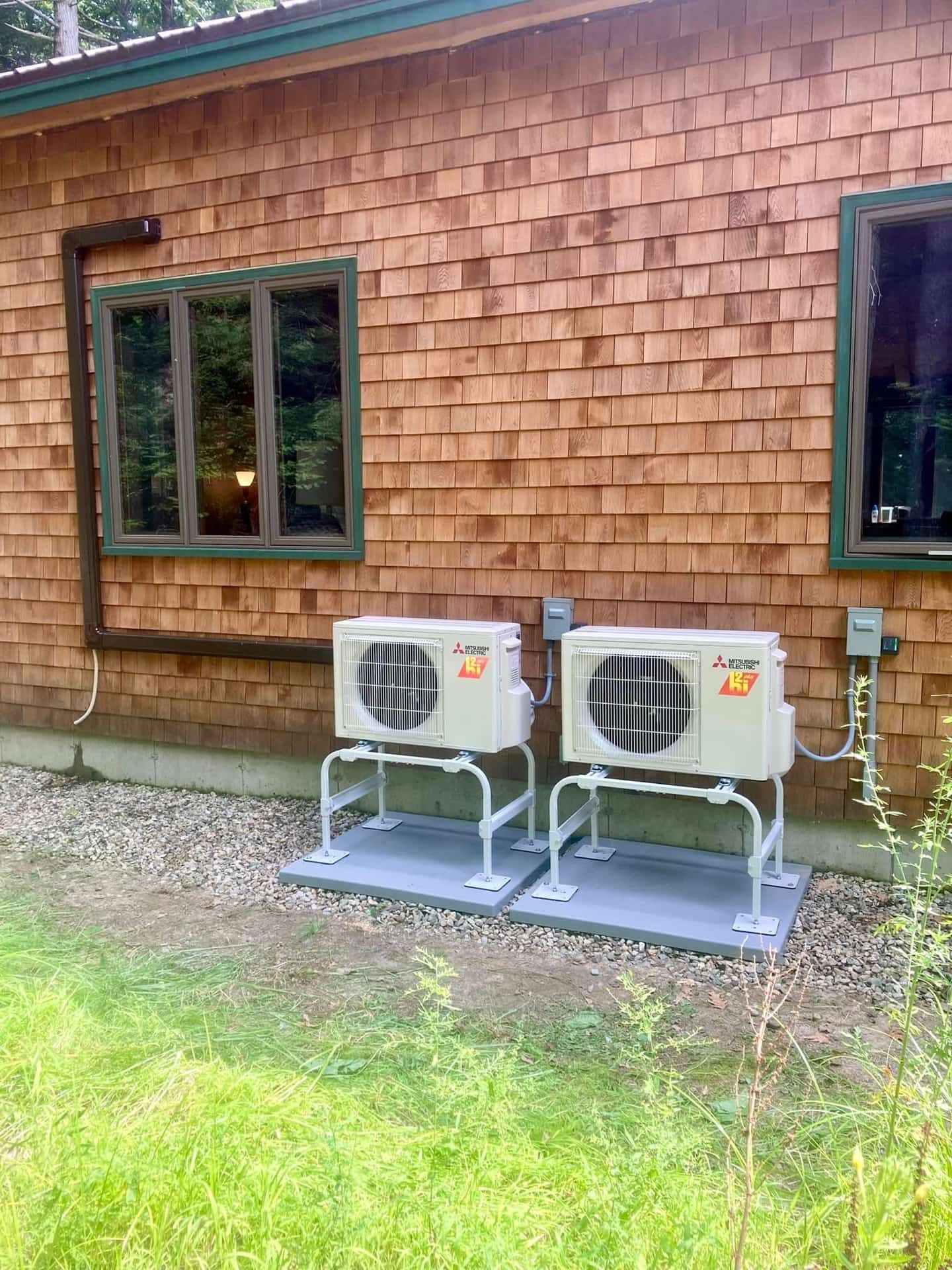
Today's top-tier cold-climate models — including the Mitsubishi Hyper-Heat and Daikin Aurora lines that we install — are rated to produce full heating capacity at 5°F and continue operating efficiently at temperatures as low as -13°F to -15°F. Even at -15°F, these systems maintain approximately 75-80% of their rated capacity. That's real, substantial heat output on the coldest nights Maine can throw at you.
Myth #2: You'll Still Need Your Oil or Gas Furnace as Primary Heat
Many homeowners install heat pumps intending to use them as supplemental heat while keeping their old furnace as the primary system. What they typically discover is the opposite — the heat pump handles 80-95% of the heating load, and the old system barely kicks on. A properly sized heat pump installation can serve as your primary heating system for the vast majority of the winter.
That said, we do recommend keeping a backup heat source for the handful of nights each year when temperatures plunge below -15°F for extended periods. This can be your existing furnace or boiler, electric baseboard heaters, or even a wood stove. The backup system runs so infrequently that it adds negligible cost — it's simply an insurance policy for extreme conditions.
Performance Data at Different Temperatures
Here's what real-world performance looks like with a modern cold-climate heat pump:
At 20°F: The heat pump operates at or near 100% of its rated heating capacity. This temperature range covers the majority of Maine winter days. The system runs efficiently with a coefficient of performance (COP) around 2.5-3.0, meaning for every unit of electricity consumed, it delivers 2.5 to 3 units of heat.
At 0°F: Capacity remains strong at approximately 85-90% of rated output. The COP drops to around 2.0-2.5, but you're still getting twice as much heat energy as the electricity you're paying for — far better than any resistance heater or comparable to the efficiency of burning oil or propane.
At -15°F: Even at this extreme, cold-climate models maintain 75-80% capacity with a COP of approximately 1.5-2.0. The system is still producing heat and doing it more efficiently than electric baseboard. Portland, Maine averages only a handful of hours per year at or below -15°F, so this represents the absolute edge case.
The Role of Proper Sizing and Installation
The most critical factor in winter heat pump performance isn't the equipment — it's the installation. An undersized system will struggle on cold days regardless of how advanced the technology is. An oversized system short-cycles, wastes energy, and wears out prematurely. Getting the size right requires a proper Manual J heat load calculation that accounts for your home's insulation levels, window area, air leakage, and orientation.
This is exactly what we do during every consultation. Whether you're considering a ductless mini-split for targeted comfort or a multi-zone system for whole-home coverage, we size the system to your actual heating load — not to a rough rule of thumb.
Real-World Examples from Southern Maine
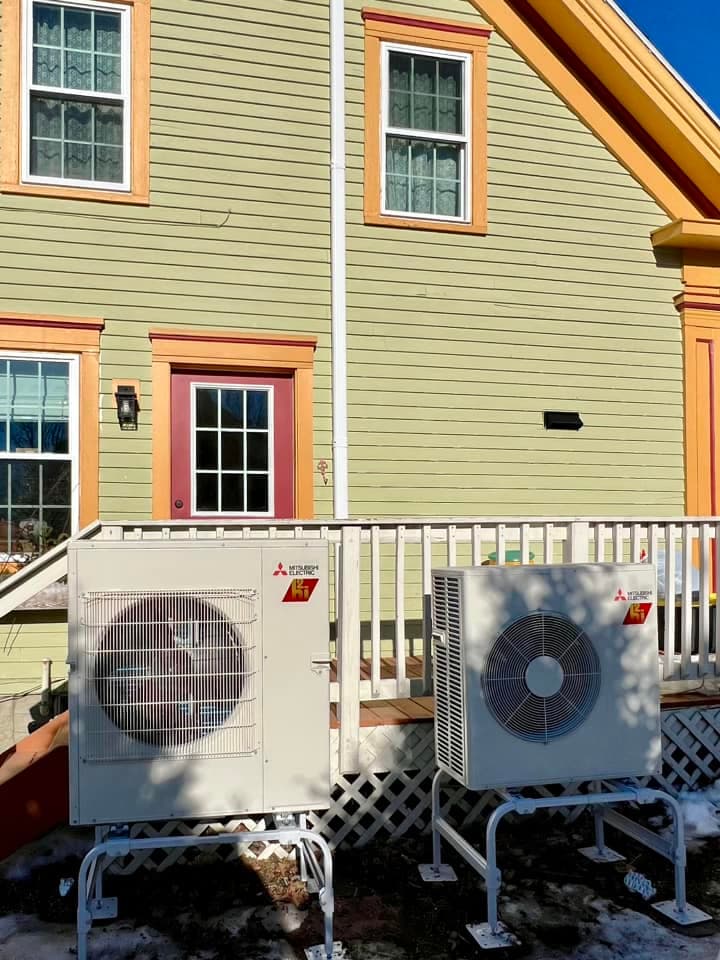
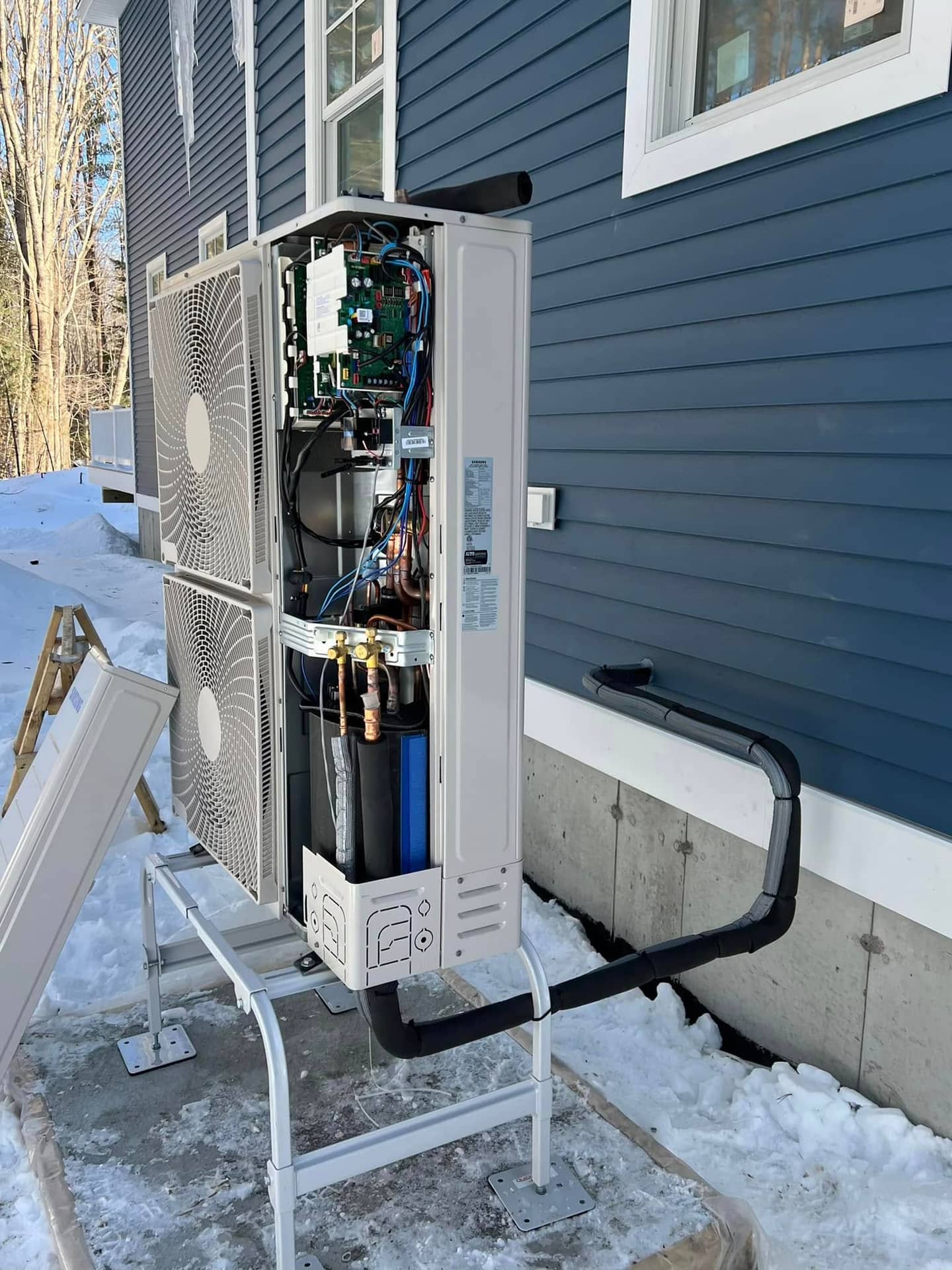
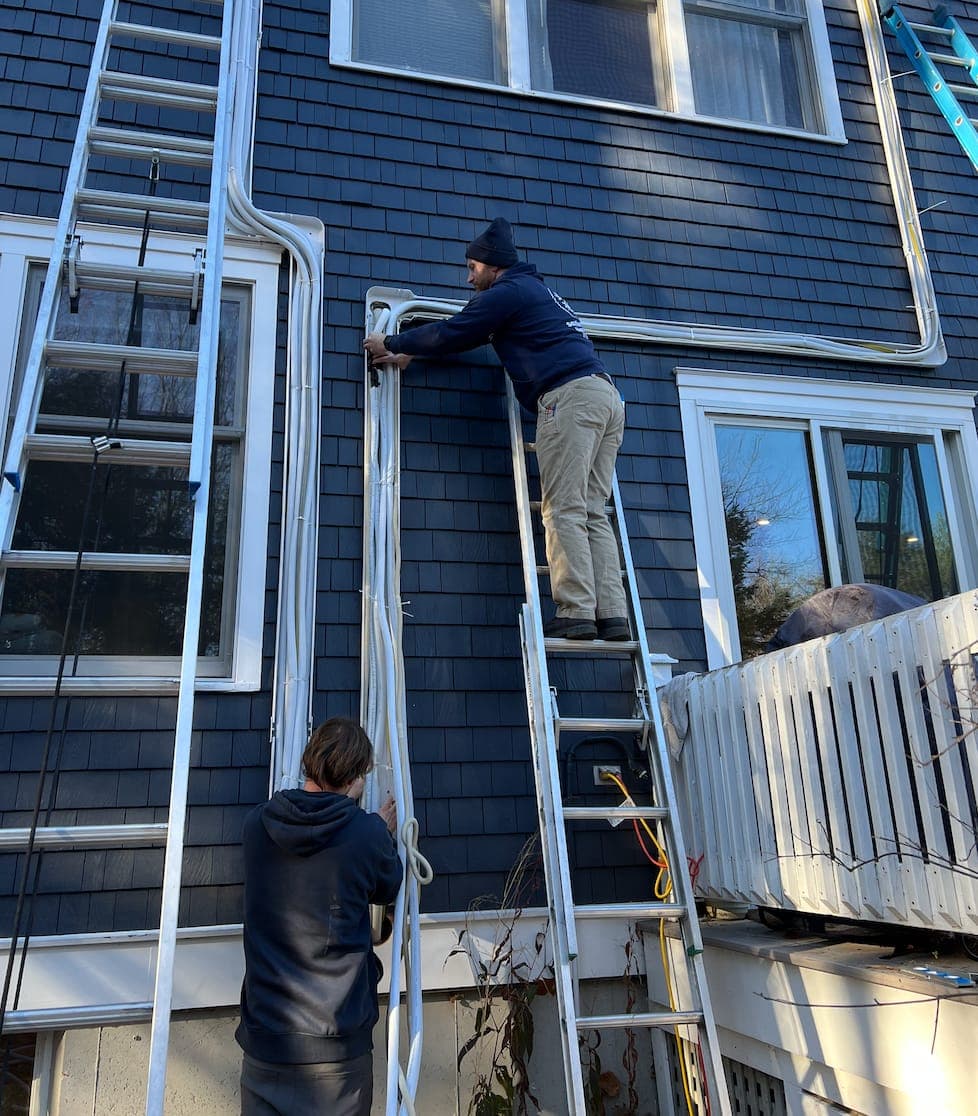
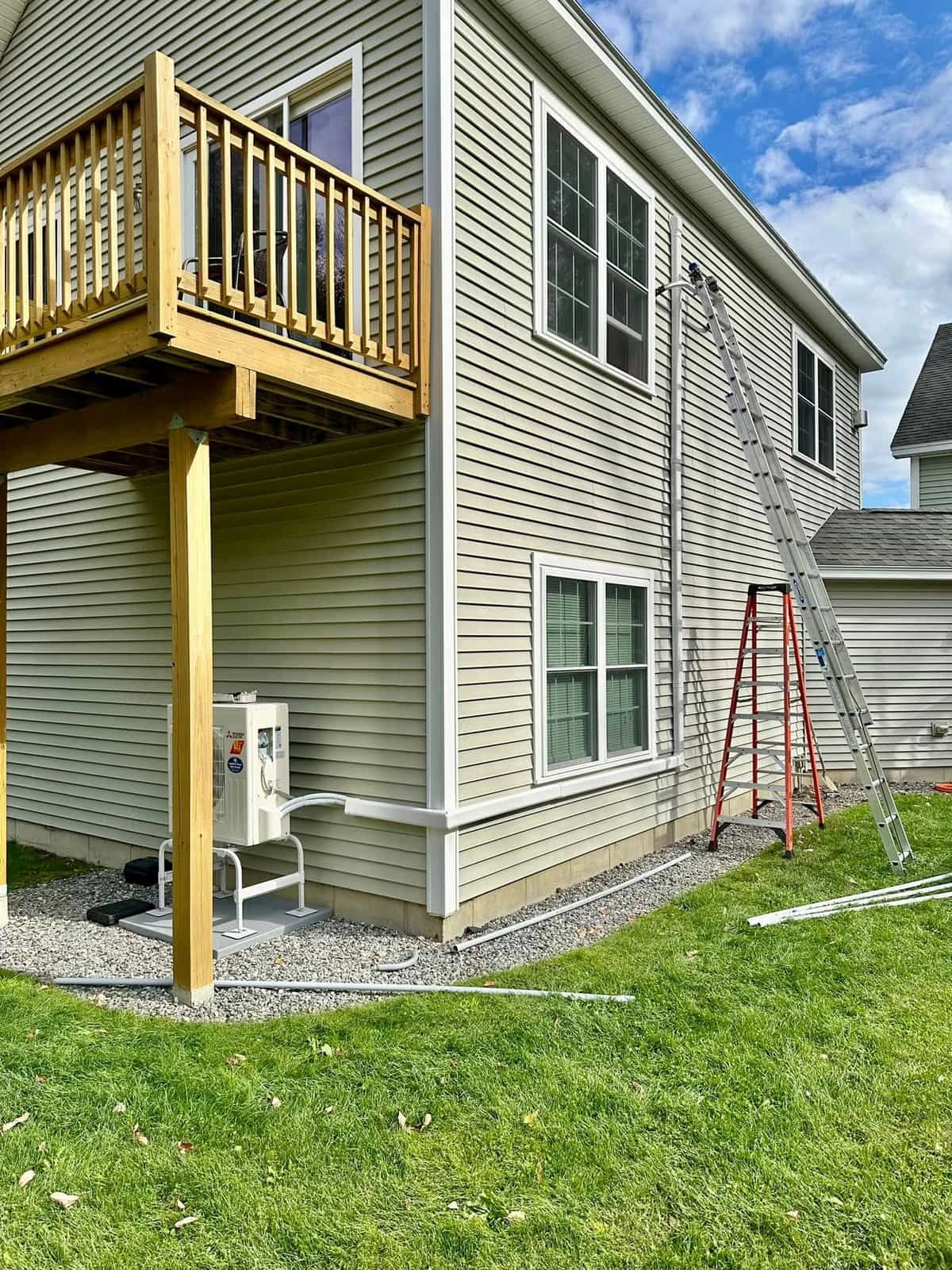
We've installed hundreds of heat pump systems across the Greater Portland area, Gorham, Scarborough, Windham, Falmouth, and surrounding towns. Here are a few scenarios that reflect typical results:
A 1,400-square-foot Cape in Gorham with moderate insulation switched from oil heat to a three-zone ductless system. The homeowners reported cutting their total heating costs by over 50% in the first winter, and the heat pump handled every cold snap without needing the backup oil furnace until one night in late January when temperatures dipped below -18°F.
A 2,200-square-foot Colonial in Scarborough installed a four-zone multi-zone system as the primary heat source, with electric baseboard as backup. Through the entire winter, the baseboard heaters logged fewer than 20 hours of runtime total. Annual heating costs dropped from approximately $3,800 in oil to $1,400 in electricity.
Backup Heating: A Smart Safety Net
We always recommend maintaining a backup heating option, even though modern systems rarely need it. If your current system is aging and you're planning to rely more heavily on heat pumps, a heat pump replacement and upgrade to the latest cold-climate technology gives you the strongest possible winter performance, often eliminating the need for backup on all but the most extreme nights.
Keeping your heat pump in peak condition is equally important for winter reliability. Our annual service and maintenance program ensures your system is tuned, cleaned, and ready to perform before each heating season. A fall maintenance visit catches small issues — like low refrigerant or dirty coils — before they compromise performance when you need it most.
Indoor Air Quality in Tight, Efficient Homes
One benefit of heat pumps that often surprises homeowners is how comfortable the heat feels compared to forced-air furnaces. Heat pumps deliver consistent, moderate-temperature air without the hot blasts and cold gaps of a traditional furnace cycle. However, as you tighten up your home for efficiency, managing fresh air becomes important. An ERV (Energy Recovery Ventilator) air exchange system brings in fresh outdoor air while recovering the energy from outgoing air, keeping your indoor environment healthy without sacrificing efficiency.
Further Reading
If you're ready to explore your options, our 2026 Efficiency Maine rebates guide explains how to maximize your savings on any system. Trying to decide between system types? Our comparison of ductless mini-splits and central heat pumps breaks down the pros, cons, and costs of each approach. And if you want a step-by-step walkthrough of the installation process, our guide to preparing your home for installation covers everything from assessment to installation day.
See It for Yourself
The best way to understand how a heat pump performs in a Maine winter is to talk to someone who lives with one — or better yet, to talk to the team that installs them every day. Contact Southern Maine Heat Pumps to schedule a free consultation. We'll evaluate your home, recommend the right system, and show you exactly what to expect when the thermometer drops. Call us at (207) 317-1077 — we're happy to answer any questions you have.