

Making the decision to install a heat pump is exciting — it means lower energy bills, year-round comfort, and a smaller carbon footprint. But before the technicians arrive, there are several things you can do to ensure the process goes smoothly and that you get the best possible system for your home.
At Southern Maine Heat Pumps, we handle most of the heavy lifting, but an informed homeowner is always our best partner. Here's everything you need to know to prepare.
Step 1: Understand Your Heating and Cooling Goals
Before anything else, think about what you want your heat pump to accomplish. Are you looking to supplement an existing oil or propane system? Do you want to eliminate your old system entirely? Are there specific rooms that are always too hot or too cold?
If you're looking for targeted comfort in one or two rooms — say your living room and master bedroom — a ductless mini-split is likely the most cost-effective option. Mini-splits don't require ductwork, can be installed in a single day, and provide both heating and cooling from a wall-mounted indoor unit.
For whole-home coverage, a multi-zone heat pump system connects one outdoor unit to multiple indoor units throughout your home. Each zone has independent temperature control, which means no more fighting over the thermostat and no more wasted energy heating empty rooms.
Step 2: Schedule a Professional Assessment
Every home is different. Square footage, insulation quality, window placement, ceiling height, and your family's lifestyle all factor into the right system design. That's why we always start with a free in-home consultation as part of our heat pump installation service.
During the assessment, our technicians evaluate your home's layout, measure rooms, check your electrical panel capacity, and discuss placement options for indoor and outdoor units. This ensures the system we install is properly sized — not too big (which wastes energy and short-cycles) and not too small (which can't keep up on the coldest days).
Step 3: Think About Your Water Heater Too
While you're upgrading your home's comfort systems, it's the perfect time to consider your water heater. Traditional electric water heaters are one of the biggest energy drains in most homes. A heat pump water heater uses the same proven technology to heat water two to three times more efficiently.
Heat pump water heaters also dehumidify the space where they're installed — a real bonus for damp Maine basements. And they qualify for Efficiency Maine rebates, just like air-source heat pumps.
Step 4: Clear the Installation Areas
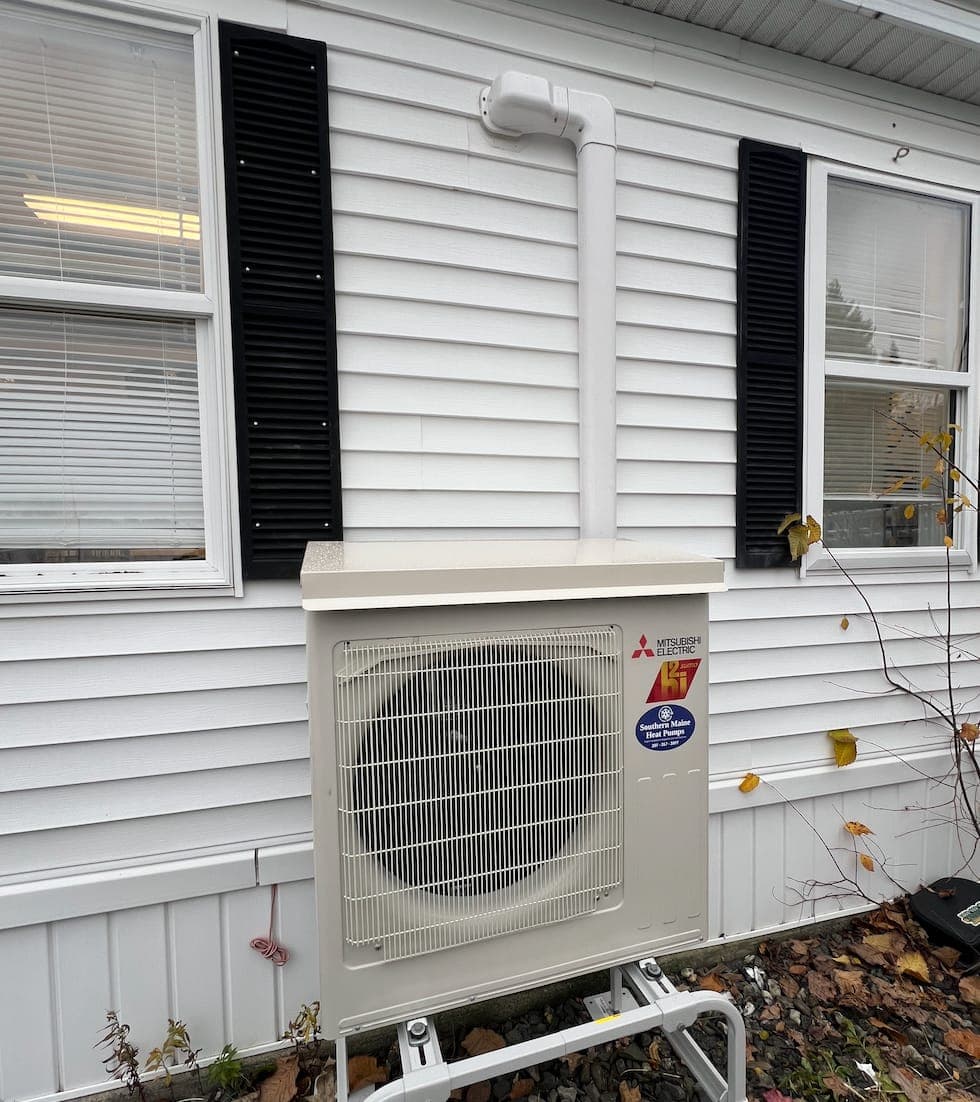
On installation day, our crew needs clear access to both indoor and outdoor installation locations. For the outdoor unit, make sure there's at least two feet of clearance on all sides, and clear away any landscaping, stored items, or debris. The unit needs adequate airflow to function efficiently.
For indoor units, ensure the wall area where the unit will be mounted is clear of furniture and wall hangings. Our technicians will need space to work and will drill a small hole through the exterior wall for the refrigerant line set.
Step 5: Understand the Rebate Landscape
One of the best reasons to install heat pumps right now is the generous rebate program through Efficiency Maine. Depending on the type and number of units, rebates can cover a significant portion of your installation cost. Federal tax credits may apply as well.
We handle all the rebate paperwork as part of every installation. But it's helpful to know that rebate amounts can change, and certain high-efficiency models qualify for larger incentives. During your consultation, we'll walk through exactly what rebates apply to the system we recommend.
Step 6: Consider Indoor Air Quality
When you tighten up your home with efficient heating, you also want to make sure you're getting enough fresh air. An ERV (Energy Recovery Ventilator) air exchange system brings in filtered fresh air while recovering up to 80% of the energy from outgoing stale air. It's the ideal companion to a heat pump — your home stays comfortable, efficient, and healthy.
We install ERV systems alongside heat pumps regularly, and the two systems work together seamlessly to give you the best indoor environment possible.
Step 7: Know When It's Time to Replace an Existing System
If you already have heat pumps but they're aging, running louder, or costing more to operate, a heat pump replacement and upgrade might be more cost-effective than continuing with your old equipment. Today's cold-climate heat pumps are dramatically more efficient than models from even five years ago, and replacement rebates can make the upgrade very affordable.
We handle old system removal, refrigerant recovery, and all disposal as part of the replacement process — you don't have to worry about any of it.
Step 8: Plan for Ongoing Maintenance
A heat pump is a long-term investment, and like any mechanical system, it performs best with regular care. Our annual service and maintenance program includes a thorough inspection, professional cleaning, refrigerant check, and performance tune-up. Regular maintenance extends your equipment's lifespan, maintains peak efficiency, and keeps your warranty valid.
We recommend scheduling maintenance each fall before heating season, so your system is primed and ready when the temperatures drop.
Business Owners: Don't Forget Commercial Options
If you own a business in Southern Maine, heat pumps aren't just for residential properties. Our commercial heat pump systems are designed for offices, retail spaces, restaurants, and multi-unit buildings. Commercial systems offer the same energy savings and zone control benefits, and we work around your business schedule to minimize disruption during installation.
More Resources to Help You Plan
As you prepare for your installation, you may find these guides helpful. Our 2026 Efficiency Maine rebates guide provides a detailed breakdown of current rebate amounts by system type, income-based enhanced rebates, and federal tax credits — so you know exactly what savings to expect. If you're still weighing your system options, our comparison of ductless mini-splits vs. central heat pumps explains the pros, cons, and best use cases for each. And if you've wondered whether a heat pump can really keep your home warm on the coldest January nights, our article on how heat pumps perform in Maine winters puts those concerns to rest with real-world performance data.
Ready to Get Started?
The best time to plan your heat pump installation is before you need it. Contact Southern Maine Heat Pumps today to schedule your free in-home consultation. We'll help you choose the right system, navigate the rebate process, and install it with the care and precision your home deserves. Call us at (207) 317-1077 — we're always happy to answer questions.